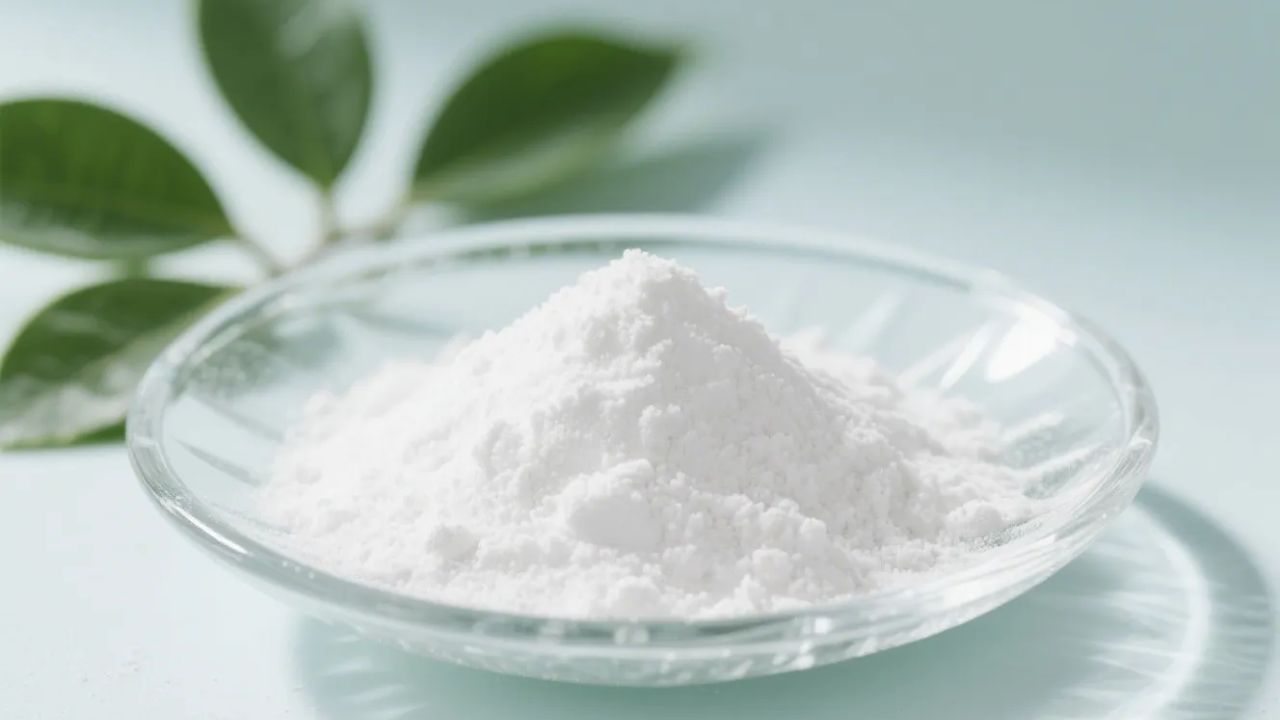
Nisin is a vital food additive that has been necessitated by its natural food preservation property. It is an extremely common polypeptide antibiotic. It is widely applied in the inhibition of the growth of microorganisms in milk products, cans, and soft beverages. Given that the trend of clean-label and natural preservatives is currently increasing, the use of nisin has become the choice of manufactures that wish to preserve their products and extend their shelf life. Selecting a reliable supplier ensures consistent quality, regulatory compliance, and technical support throughout the production process of the nisin preservative.
Understanding Nisin Quality
It is necessary to be aware of the factors that determine the quality of nisin before sourcing nisin. One of the parameters is purity, since the higher the purity of nisin, the better microbial inhibition is observed without unwanted impurities being added. The Nisin can be in different grades, like food-grade and pharmaceuticals grade, and each grade has its applications. Also, the nisin shape Nisin A or Nisin Z may have an effect on its functionality based on the food matrix and food processing conditions. With a trusted supplier, manufacturers will be able to make their decisions based on detailed technical datasheets with specifications of the activity units, their purity and their intended use.
Regulatory Compliance Matters
The other important consideration is adherence to international and local laws. In most nations, Nisin is considered to be safe and approved in the United States under the FDA and in Europe as E234. Nevertheless, the markets can have varying needs in terms of labelling, available concentrations, and paperwork. When selecting a supplier that follows the appropriate standards like ISO, HACCP or GMP, it is possible to be sure that the nisin provided complies with the law and can be safely used in the whole range of food products. Manufacturers must never accept any final purchase unless they have checked certificates of analysis and compliance.
Supplier Transparency and Traceability
A reliable supplier must have the qualities of transparency and traceability. The suppliers with high reliability keep the records of the production processes, the batch tests, and the sourcing of the raw materials. The consistency of the product performance is guaranteed by this traceability in addition to assuring in the audit or regulatory inspection. Suppliers are also advantageous to the manufacturers who communicate freely about the production procedures, storage, and stability information because it will enable the manufactures to use nisin as an ingredient in their product recipes without the fear of diminished activity or deterioration.
Technical Support and Collaboration
The availability of technical support is a plus that is neglected during the sourcing of nisin. An effective supplier can provide the information on available dosages, compatibility with other components, and ways of application. This is specifically valuable to use in complex food matrices or in coming up with new product lines. The collaborative suppliers can provide assistance in pilot tests, stability tests and troubleshooting and save time on trial and error during the production process and assist manufacturers with achieving a uniform shelf-life outcome.
Packaging and Stability
Nisin is affected by its package and storage directly in regard to its potency. Preservatives can be damaged by moisture, light and changes in temperature, making them ineffective. Manufacturers ensure the preservation of the nisin activity during the shelf life of the product with the assistance of suppliers, ensuring a very strong packaging system and providing clear instructions regarding the storage. Consideration of packaging choices, e.g., vacuum containers or moisture-proof bags, is thus also a part of the decision to choose a supplier that cares about the integrity of the product.
Evaluating Supplier Reputation
The reputation of a nisin supplier may be quite a good sign of reliability and the quality of the product. The manufacturers must seek suppliers with a track record, good customer reviews and those that have been in the food additive business long enough. An interest in the events of the industry, certifications, and open communication also speaks in favor of the approach of a supplier towards quality and professionalism. When manufacturers settle on a supplier whose health is proven, there are reduced risks of unreliable product performance, late delivery of goods, or mediocre technical support, which means that the production process will be less troublesome and the manufacturers will have more confidence in the final product.
Conclusion
The selection of a good nisin supplier must consider a lot of factors, such as purity, regulatory compliance, transparency, technical assistance, and packaging stability. By selecting a good supplier, the manufacturers will be guaranteed a stable, efficient preservative that will keep up with clean-label trends and food safety requirements. Investing the time in choosing a reliable partner, food producers will be sure to increase product shelf life, preserving their quality and satisfying consumer demands for natural and safe food products. The increasing role of Nisin in the industry enhances the strategic selection of suppliers as a long-term strategy that will yield the product performance and business laws.