Everything You Need to Know Before Buying a Solar-Powered Camera System
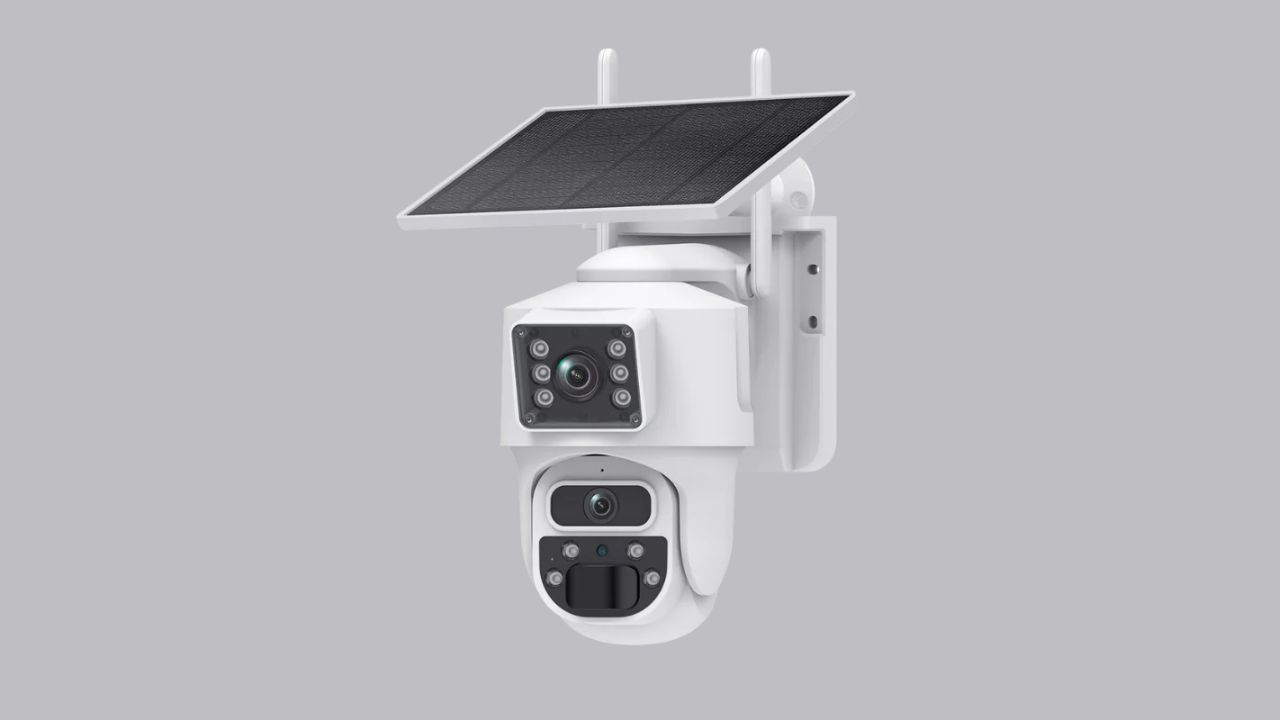
Solar-powered camera systems have been one of the most preferred security systems. It is now common at home, in workplaces, and even in remote areas. These wireless cameras have been extremely effective in light of the constantly advancing technology. When a consumer is buying a solar powered outdoor camera system, they need to understand which features are the most significant.
How Solar-Powered Cameras Work
The working principle of a solar-powered security camera is to transform sunlight into electricity. It uses a solar panel attached to the camera. The energy is stored in an in-built rechargeable battery. This enables the system to operate both during the day and at night. Since it is not dependent on electrical wiring, the camera will not stop when power is cut off and can be installed in places that are not connected to the grid. The current systems are designed in a way that maximizes the use of energy by using smart power management, motion-activated recording, and efficient standby, which makes them reliable in terms of performance even when there is limited sunlight.
Understanding Solar Requirements
The solar security cameras are meant to operate under a limited amount of sunlight; the purchaser must also take into consideration the environmental factors of where they are going to install them. Solar light, for at least several hours a day, guarantees constant charging and the maintenance of regular operation. Charging efficiency can be compromised by obstructions like trees, walls, or buildings. The climatic conditions are also a factor. Buyers living in areas where the seasons are cloudy might require a system with a bigger solar panel or a bigger capacity battery to ensure continuous recording. High-tech models will be able to work several days under low sunlight because of the optimization of battery technology and energy-efficient elements.
Key Features to Look For
There are a number of feature categories that buyers should consider before buying a solar-powered camera. Image resolution is one of the most important points. The 1080p cameras are applicable in basic surveillance, but the newer models have 2K and 4K resolution to capture minute details such as faces, license plates, and movement, even in the dark. Another necessary feature is night vision ability. Certain cameras have infrared sensors, others have white LED spotlights to make them have full color night vision, which is much clearer in the situations that require it most at night.
Another significant factor is connectivity. Wi-Fi solar cameras are recommended in homes and businesses where internet connectivity is steady, whereas 4G LTE models are used in farms, construction sites, remote cabins, and off-grid locations where Wi-Fi has a low range. Most of the developed systems have AI human and vehicle detection, which minimizes false alarms due to animals, shadows, or movement of the environment. Two-way audio, real-time mobile notifications, and remote viewing features will keep the users informed and in control wherever they are.
Durability and Installation Factors
Solar cameras used outdoors should be able to endure different weather conditions. Good quality systems are characterized by IP65 or IP67 weatherproofing to withstand rain, dust, wind, and high temperatures. Hardened housings, metal casings, and heat dissipation are guaranteed to last longer in extreme environments. Another benefit of the solar-powered systems is flexibility in installation. They do not require electrical knowledge to be mounted on a wall, pole, fence, or roof since they are wire-free. However, it is necessary to be placed properly. The placement of the solar panel at an angle that would capture the greatest amount of sunlight is a huge boost in performance and lowers the maintenance requirements.
Choosing the Right System
The choice of the appropriate solar-powered camera system will always be determined by the environment, security concerns, and budget of the user. A buyer should think about whether he/she require a wide-area coverage with a PTZ camera, long-range zoom, multi-lens design to have a wider view, or 24/7 recording. Due to the increasing range of solar models, more than ever before, a system that fits a particular monitoring requirement can be found.
Conclusion
Learning the principles of solar technology, analyzing the needs of the sun, and comparing the main characteristics of the image quality, night vision, connection, and storage, the buyers will be able to choose a system that will suit their particular environment and monitoring objectives. The durability, flexibility in installation, and the level of data protection are also crucial factors in the provision of reliable performance throughout the year. When these are taken into account, a solar-powered camera offers a green security solution that offers round-the-clock surveillance without the shortcomings of the traditional wired system.