Key Factors to Consider When Selecting a Molded Case Circuit Breaker
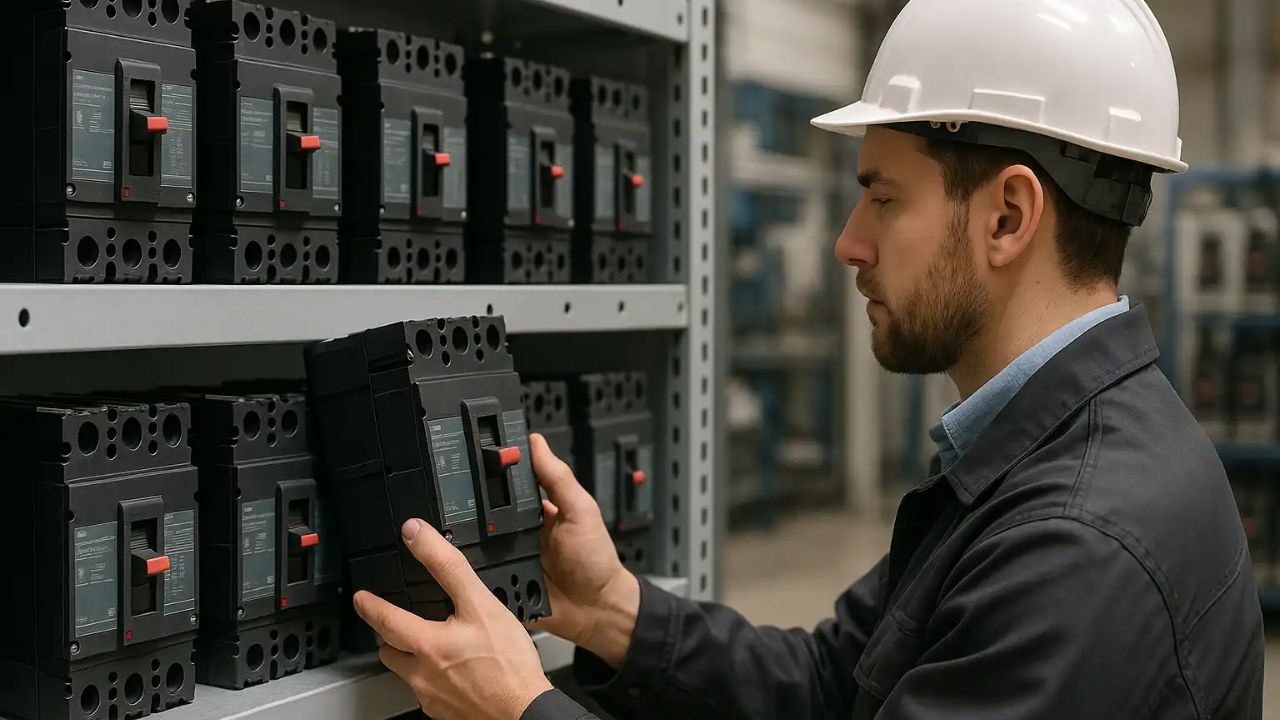
Being one of the worldwide producers of low-voltage electrical parts, huyu Electric underlines that choosing the appropriate Molded Case Circuit Breaker (MCCB) is the first step in the development of safe, stable, and efficient power distribution systems. The MCCBs are created to guard electrical circuits against overloads, short circuits, and faults that may result in equipment destruction or failure. Since MCCBs are popularly applied in the field of residential, commercial, industrial, and new energy, a proper choice is required to guarantee the reliability in the long term, adherence to the regulations, and effectiveness of the system.
Rated Current and Frame Size
The rated current and suitable frame size are two of the initial considerations to be made when choosing an MCCB. The rated current should be matched with the normal current of the operating circuit and must have an adequate margin to eliminate nuisance tripping. A small MCCB is prone to frequent tripping, which disturbs the operations, and a large unit cannot offer adequate protection. Frame size is one factor that dictates the maximum current the MCCB can operate and determines the possibility of expansion in the future. A frame size should be chosen such that it can withstand the possible increase in the loads without affecting the safety.
Breaking Capacity and Fault Levels
Breaking power is one of the most important parameters that determines how the MCCB can interrupt fault currents safely. Different levels of short-circuit exposures are experienced on electrical systems depending on the place of installation, the capacity of the transformer and the design of the network. The MCCB selected should be able to interrupt current flowing at that potential short circuit that is equal to or higher than the prospective short circuit. A poor breaking capacity of MCCB may lead to disastrous failure in case of a fault, which would be extremely dangerous to equipment and people.
Application Environment and Installation Conditions
The performance and the lifespan of MCCB greatly depend on the environmental and installation conditions. The ambient temperature, humidity, altitude, and exposure to dust or corrosive elements are some of the factors that should be taken into account. High current carrying capacity can be decreased by high temperatures, whereas harsh industry conditions may demand improved insulation and enclosure protection of MCCBs. Installation procedures, such as the panel mounting orientation and ventilation, also influence the heat dissipation and stability of operation. The choice of an MCCB fitting the desired environment provides constant operation according to the real-life situation.
Voltage Rating and System Compatibility
Another important factor to be considered when selecting MCCB is the voltage rating. The equipment should be able to operate with the operating voltage of the system, whether in AC or DC. Attaching an MCCB of the wrong voltage rating may affect arc interruption and insulation. DC-rated MCCBs are needed to support various fault behaviors in specialized systems, e.g., renewable energy installations or EV charging infrastructure. Compliance and electrical safety can be achieved by ensuring compatibility of the systems.
Compliance with Standards and Certifications
The international standards and certifications are also relevant in the selection of MCCB, particularly in international projects. Adherence to standards, e.g., IEC 60947 or local standards, proves that the MCCB fulfills specific safety, performance and testing criteria. Certified products are more guaranteed to be of quality, reliable, and acceptable in various markets. In the case of projects where exports or multinational installations are to be used, certified MCCBs can be selected to make approvals and minimize regulatory risks.
Future Scalability and Intelligent Features
The contemporary electrical networks are becoming more flexible and monitored. The future scalability and the intelligent features should be considered when choosing an MCCB. Other advanced MCCBs can also be used to support remote monitoring, communication modules and integration with energy management systems. They provide predictive maintenance, real-time fault analysis, and enhanced operational efficiency. Upgrades of the system in the future can be planned to minimize replacement costs and maximize the initial investment.
Conclusion
There must be an overall knowledge of electrical system needs, operating conditions, and long-term goals in order to select the appropriate Molded Case Circuit Breaker. Such aspects as the rated current, breaking capacity, traits of tripping, environmental appropriateness, voltage compatibility and certification need to be put into serious consideration. When accounting for all these factors, engineers and project planners can choose MCCBs that will provide quality protection, performance, and conformity. Properly selected MCCB will eventually enhance the safety of systems, reduce downtimes and meet the growing demands of contemporary power distributing systems.